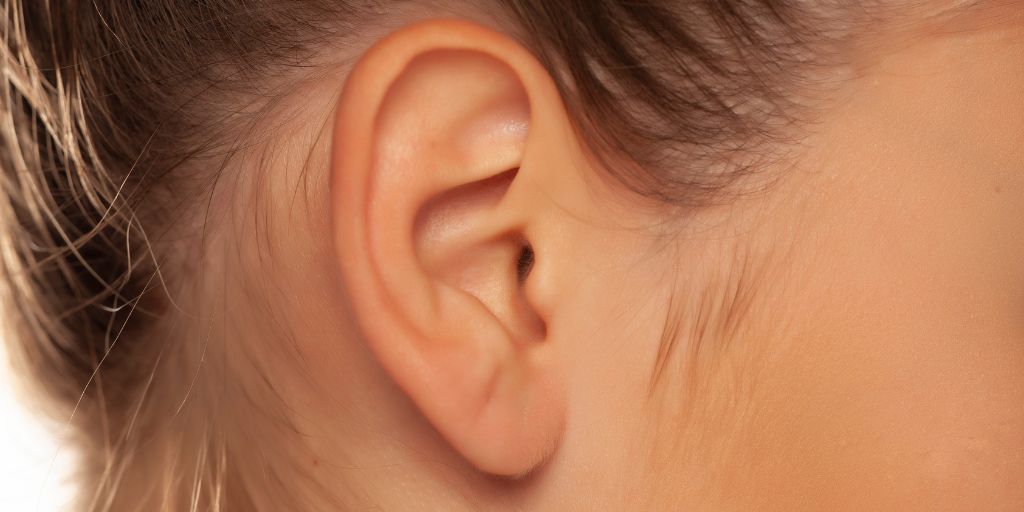
- Eczema in the ear can affect the outer ear, the area behind the ear, or skin near the ear canal, causing itching, dryness, flaking, or irritation.
- A careful hearing aid fit and consistent device care may reduce friction, trapped moisture, and other factors that can aggravate sensitive skin.
- Rose Audiology provides hearing aid support and hearing evaluations for patients with ear discomfort concerns in Chantilly, Virginia.
An itchy ear can be distracting enough on its own. When the skin also becomes dry, flaky, swollen, or sore, it may be difficult to know whether the problem is eczema, an infection, a reaction to a product, or irritation from something touching the ear.
Eczema in the ear is a skin concern, so diagnosis and medical treatment belong with a qualified healthcare provider. An audiologist can still play an important supporting role by looking for visible irritation, checking whether a hearing aid or earmold is fitting properly, reviewing device hygiene, and recommending medical evaluation when needed.
What Is Eczema in the Ear?
Eczema is a group of conditions that cause inflammation and weakening of the skin barrier. When it affects the ear, symptoms can appear on the visible outer ear, behind the ear, in the folds where the ear meets the face, or near the opening of the ear canal.
People sometimes use the terms ear eczema and ear dermatitis interchangeably. Several forms of dermatitis may affect this area, including atopic dermatitis, contact dermatitis, seborrheic dermatitis, and very dry skin associated with asteatotic eczema. Because these conditions can look similar, a professional examination is important before trying to treat the problem.
Common Symptoms of Ear Eczema
Symptoms can be mild and occasional or persistent enough to interfere with sleep, hearing aid use, and daily comfort. Possible signs include:
- Itching in or around the ear
- Dry, flaky, scaly, or crusted skin
- A rash or change in skin color
- Small bumps or thickened patches of skin
- Swelling or tenderness around irritated areas
- Cracks in the skin
- Moist, weeping, or draining skin when irritation is severe
Ear pain is not always caused by eczema. Pain, pus-like drainage, fever, increasing swelling, or a sudden change in hearing can point to infection or another condition that requires medical attention.
What Can Trigger Eczema Around the Ears?
There is no single trigger for every person. A healthcare provider may consider medical history, the appearance and location of the rash, recent product changes, and whether symptoms occur elsewhere on the body.
Potential triggers and contributors include:
- Hair products, skin care products, soaps, fragrances, or hair dye
- Metals in earrings or other items that contact the ear
- Earbuds, headphones, helmets, glasses, or hearing devices that rub the skin
- Cold weather, dry air, heat, or changes in humidity
- Water, sweat, or moisture remaining around the ear
- Excessive cleaning that removes protective oils or damages the skin
- An existing history of eczema, allergies, asthma, or other skin conditions
Finding the trigger can take time. A symptom diary may help you and your healthcare provider notice patterns involving products, weather, activities, or device use.
Can Hearing Aids Cause Ear Eczema?
Hearing aids do not automatically cause eczema. Many people wear them comfortably every day. However, a device can sometimes contribute to irritation when there is friction, pressure, trapped moisture, residue, or sensitivity to a material that touches the skin.
The location of the irritation offers useful clues. A sore spot that appears exactly where an earmold, dome, receiver, or behind-the-ear component rests may suggest a fit or contact problem. More widespread flaking behind both ears or along the scalp may point to a broader skin condition. Only a qualified medical provider can diagnose the cause.
Do not assume that you need to stop wearing your hearing aids permanently. Instead, contact your audiologist if a device feels tight, rubs one area, causes persistent pressure, or becomes uncomfortable after a predictable amount of time. A fit adjustment, different dome or earmold option, or revised wearing plan may help, depending on the cause.
Safe Steps for Hearing Aid Wearers With Itchy Ears
The safest approach protects both the skin and the hearing devices while avoiding products that could make irritation worse.
- Keep hearing aids clean and dry according to the manufacturer’s instructions.
- Wash and dry your hands before handling devices that sit in or around the ear.
- Ask your audiologist to inspect the fit if one area repeatedly becomes irritated.
- Note whether symptoms began after a new device, earmold, dome, cleaning product, shampoo, or cosmetic product.
- Avoid scratching or inserting cotton swabs, fingernails, or other objects into the ear canal.
- Do not place creams, oils, peroxide, alcohol, or non-prescribed drops into the ear canal unless a healthcare provider specifically recommends them.
- Seek medical advice if the skin is cracked, painful, swollen, draining, or not improving.
If a clinician prescribes a skin treatment, ask how and where it should be used around a hearing device. Some products should not enter the ear canal, and oily products may damage hearing aid components or block microphones and receivers.
Ear Eczema, Earwax, and Blocked Hearing
Itching and a plugged sensation do not always mean eczema. Earwax buildup can also cause fullness, reduced hearing, tinnitus, or discomfort. At the same time, repeated scratching or aggressive cleaning can injure the ear canal and increase irritation.
An examination can help separate skin irritation from wax blockage, an outer-ear infection, or a hearing aid problem. If wax is blocking the canal, professional removal is safer than trying to dig it out. Rose Audiology’s ear wax removal service can address confirmed buildup, but suspected dermatitis or infection may require evaluation by a physician, dermatologist, or ear, nose, and throat specialist.
When Itchy Skin May Be an Infection
Eczema can damage the skin barrier, and scratching can create small breaks in the skin. This may make the area more vulnerable to infection. Outer-ear infections can also cause itching early on, then develop pain, swelling, drainage, or a blocked feeling.
Contact a healthcare provider promptly if you notice:
- Increasing ear pain or tenderness
- Yellow, white, bloody, or foul-smelling drainage
- Significant swelling or redness that is spreading
- Fever or feeling generally unwell
- A sudden or marked reduction in hearing
- Severe dizziness, facial weakness, or other new neurological symptoms
Sudden hearing loss should be treated as urgent. A routine hearing aid adjustment is not a substitute for prompt medical evaluation.
Who Should Diagnose and Treat Ear Eczema?
A primary care clinician or dermatologist can evaluate skin symptoms and recommend appropriate treatment. An ear, nose, and throat specialist may be needed when symptoms involve the ear canal, recur frequently, include drainage or infection, or do not improve with initial care.
An audiologist can evaluate hearing, inspect the ear canal within the scope of an audiology visit, check hearing aid fit, and help identify device-related patterns. If the findings suggest a skin disease or infection, the audiologist can recommend medical follow-up rather than attempting to treat the condition as a hearing aid problem alone.
How Rose Audiology Can Help
If ear discomfort is making hearing aid use difficult, Rose Audiology can examine the device fit, review cleaning and moisture-control practices, and determine whether the hearing aids need an adjustment. A hearing evaluation can also document whether wax, swelling, or another concern is affecting hearing.
Rose Audiology does not replace dermatology or medical care for eczema. The goal is to help you use hearing technology comfortably while making sure symptoms that need medical attention are directed to the right professional.
Schedule Hearing Aid Support in Chantilly, Virginia
You should not have to choose between hearing clearly and tolerating persistent itching or irritation. If your hearing aids rub, feel too tight, trap moisture, or have become uncomfortable, schedule a fit and device check with Rose Audiology in Chantilly, Virginia. Bring a list of recent product changes and note when the symptoms appear so the pattern is easier to evaluate.
Sources
- Cleveland Clinic. Ear Eczema: Symptoms, Causes and Treatment.
- American Academy of Dermatology. Contact Dermatitis Signs and Symptoms.
- Guy’s and St Thomas’ NHS Foundation Trust. Otitis Externa Overview.
- Chelsea and Westminster Hospital NHS Foundation Trust. Otitis Externa.