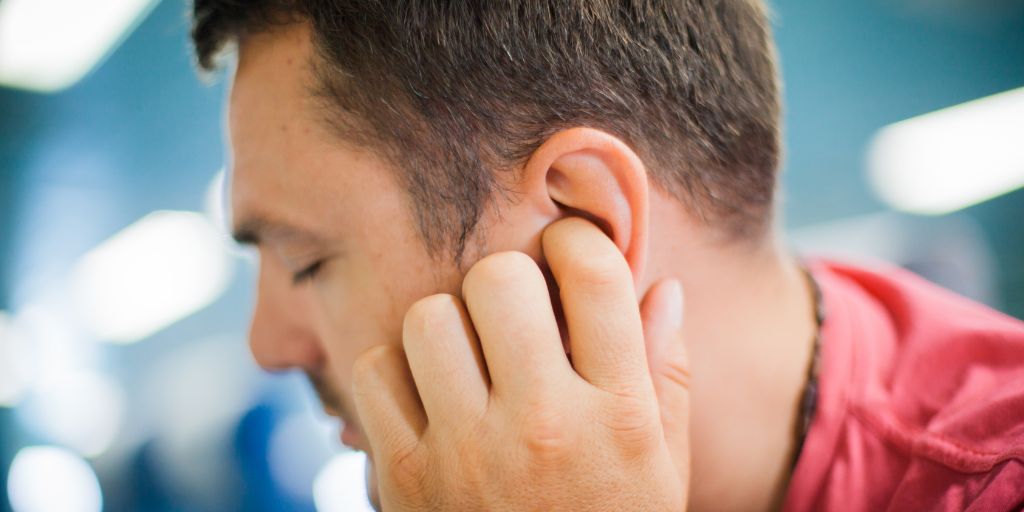
- An ear rupture is a tear or hole in the eardrum that can follow an infection, pressure change, loud blast, injury, or an object placed in the ear.
- Recognizing warning signs and protecting the ear from water and further injury can help you avoid complications while you arrange medical care.
- Rose Audiology provides hearing evaluations in Chantilly, VA, to measure hearing changes and support follow-up care when medically appropriate.
An ear rupture, also called a ruptured or perforated eardrum, can be painful and alarming. Sometimes the pain is brief. In other cases, the first clue is drainage, ringing, dizziness, or a sudden change in hearing.
You cannot confirm a ruptured eardrum from symptoms alone. A medical professional needs to examine the ear. If you think your eardrum may be injured, avoid putting anything into the ear and arrange prompt medical care.
What Is an Ear Rupture?
The eardrum, or tympanic membrane, is a thin layer of tissue between the ear canal and the middle ear. Sound waves make it vibrate, helping transfer sound through the middle ear toward the inner ear.
An ear rupture is an opening or tear in that membrane. The injury can interfere with sound transmission and may allow water or germs to enter the middle ear. The resulting hearing change is often conductive, meaning sound is not moving efficiently through the outer or middle ear.
What Does a Ruptured Eardrum Feel Like?
The experience varies. Some people notice sharp ear pain at the time of injury. Others feel pressure or discomfort that suddenly improves, especially when fluid behind the eardrum is released after an infection.
Possible signs include:
- Sudden ear pain or a rapid decrease in pain after intense pressure
- Clear, pus-like, or bloody fluid draining from the ear
- Muffled or reduced hearing in one ear
- Ringing, buzzing, or another sound in the affected ear
- Dizziness, vertigo, nausea, or problems with balance
- A feeling of fullness or unusual pressure in the ear
These symptoms can also occur with infections, earwax blockage, and other ear conditions. An examination is the only reliable way to determine whether the eardrum is perforated.
What Can Cause an Eardrum to Rupture?
Middle ear infections
An infection can cause fluid and pressure to build behind the eardrum. If the pressure becomes too great, the membrane may tear. Drainage and a sudden reduction in pain may follow.
Rapid pressure changes
Flying, scuba diving, or another sudden pressure change can create a large difference between the pressure inside and outside the middle ear. This is called barotrauma.
Injury or objects in the ear
A blow to the side of the head or ear can damage the eardrum. Cotton swabs, hairpins, and other objects may also puncture it when inserted too far into the ear canal.
Very loud sound
Explosions, gunfire, or other intense impulse sounds can injure the eardrum and other structures involved in hearing. Sudden hearing loss after a loud blast needs urgent evaluation.
What Should You Do if You Suspect an Ear Rupture?
Contact a medical professional for an examination. Until you are evaluated, protect your ear and avoid actions that could increase irritation or infection risk.
- Keep the ear dry. Avoid swimming and submerging your head.
- Do not put cotton swabs, fingers, tools, or drops into the ear unless a clinician specifically tells you to do so.
- Do not try to remove drainage or earwax from deep in the canal.
- Avoid forceful nose blowing, which can increase pressure in the middle ear.
- Ask a clinician which pain medicine is appropriate for you.
Do not assume that less pain means the problem has been resolved. Pain can decrease after pressure is released through a tear, while the eardrum still needs evaluation.
When Is an Ear Problem Urgent?
Seek prompt medical care for suspected eardrum injury. More urgent evaluation is important when symptoms include:
- Sudden or significant hearing loss
- Severe dizziness, trouble walking, or repeated vomiting
- Severe pain, fever, or feeling very unwell
- Heavy bleeding or persistent drainage from the ear
- Facial weakness
- An object lodged in the ear
- Symptoms after a head injury, explosion, or other major trauma
Sudden hearing loss can have causes other than an eardrum rupture, and some require time-sensitive treatment. If hearing drops suddenly, do not wait for a routine hearing appointment.
How Is a Ruptured Eardrum Diagnosed?
A physician or other qualified medical professional may examine the ear with an otoscope or microscope to look for an opening in the eardrum. The evaluation may also check for infection, drainage, or another injury.
When hearing has changed, audiologic testing can measure the type and degree of hearing loss. Testing may include pure-tone and speech measures. Middle ear testing may also be considered when it is safe and appropriate for the condition of the ear.
Rose Audiology’s comprehensive hearing tests can document how well you hear and help guide follow-up after a medical evaluation. If the findings suggest a condition that requires medical treatment, coordinated care with a physician or ear, nose, and throat specialist may be recommended.
Will a Ruptured Eardrum Heal?
Yes, a ruptured eardrum can heal on its own. Small perforations most often close within about two months without surgery. A larger opening, or one that does not close on its own, may need a patch or surgical repair from an appropriate medical specialist.
Healing time depends on the size of the tear and whether an infection is involved. A clinician may recommend keeping the ear dry, monitoring it, or treating an infection while it heals. Symptoms that last longer than two months need a follow-up.
What to Avoid While Your Eardrum Heals
- Water. Keep the ear dry. Avoid swimming and putting your head underwater, and ask your clinician how to protect the ear in the shower.
- Cotton swabs and anything in the ear. Do not clean inside the ear canal or put objects in it while it heals.
- Flying after eardrum surgery. Flying with an unrepaired perforation is generally considered safe. If you have had surgery to repair the eardrum, wait until your surgeon says it is safe to fly. If you are not sure which applies to you, ask your clinician before you book.
How Can You Reduce the Risk of an Ear Rupture?
A few habits can lower the chance of injury:
- Never insert cotton swabs or other objects into the ear canal.
- Seek care for persistent ear pain, drainage, or signs of infection.
- Follow safe equalization guidance for flying or diving, and do not dive when you cannot comfortably equalize pressure.
- Use appropriate hearing protection around firearms, fireworks, machinery, and other hazardous noise.
- Get evaluated after a blow to the ear or head if you notice pain, drainage, dizziness, or hearing changes.
Hearing Changes After an Ear Rupture
An ear rupture can reduce hearing temporarily, but the amount and duration differ from person to person. When the eardrum heals completely, hearing usually returns. Medical care comes first when an active perforation, infection, drainage, or recent injury is suspected.
Schedule a hearing test once your clinician confirms the eardrum has healed. The test shows whether your hearing is back to its previous level. If muffled hearing, ringing, or trouble understanding speech is still there about two months after the rupture, contact your provider and ask whether a hearing evaluation is the next step. Rose Audiology can measure the hearing change and help guide what comes next.
Sources
- MedlinePlus Medical Encyclopedia: Ruptured eardrum, https://medlineplus.gov/ency/article/001038.htm
- MedlinePlus Medical Encyclopedia: Eardrum repair, https://medlineplus.gov/ency/article/003014.htm
- Rose Audiology: Hearing Tests in Chantilly, VA, https://roseaudiology.com/audiology-services/hearing-tests/
- NHS: Perforated eardrum, https://www.nhs.uk/conditions/perforated-eardrum/