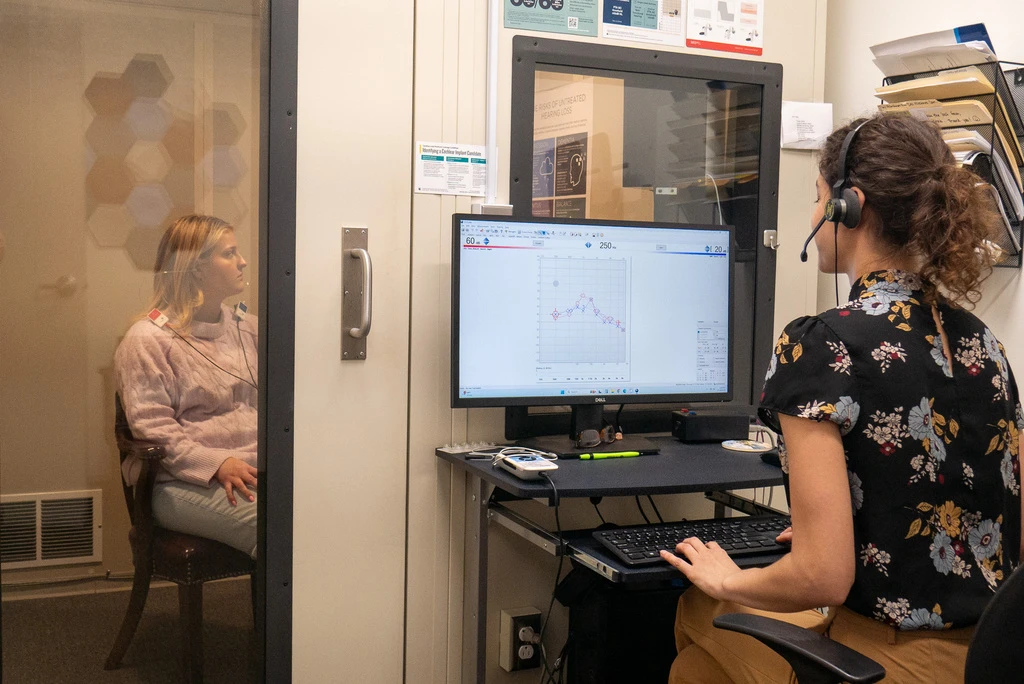
Hearing Evaluations (Including Balance & Vertigo Evaluations)
Hearing evaluations begin with an in-depth discussion of your hearing history, lifestyle, and concerns, followed by comprehensive diagnostic testing. Balance and vertigo evaluations help identify possible inner ear or vestibular contributors to dizziness, unsteadiness, or disorientation, with results explained in a clear and supportive way.
What does a hearing evaluation include?
A hearing evaluation includes a detailed case history, comprehensive diagnostic testing, and a clear explanation of how the results relate to your daily listening experiences and concerns.
When should I consider a balance or vertigo evaluation?
A balance or vertigo evaluation is recommended if you experience dizziness, spinning sensations, unsteadiness, or balance difficulties that affect your daily activities or quality of life.
How long does a hearing or balance evaluation take?
Hearing and balance evaluations are intentionally unhurried and typically last long enough to allow for thorough testing, thoughtful discussion, and personalized recommendations.
Sensorineural Hearing Loss Evaluation & Treatment
Sensorineural hearing loss evaluations focus on identifying inner ear or nerve-related hearing changes using evidence-based testing, including speech-in-noise assessments. Treatment recommendations are tailored to your listening needs, readiness, and quality-of-life goals.
What causes sensorineural hearing loss?
Common causes of sensorineural hearing loss include aging, noise exposure, genetics, and certain medical conditions.
Is sensorineural hearing loss permanent?
Sensorineural hearing loss is typically permanent, but treatment options such as hearing technology, counseling, and aural rehabilitation can significantly improve communication and quality of life.
How is sensorineural hearing loss treated?
Treatment for sensorineural hearing loss may include hearing aids, real-world listening assessments, counseling, and personalized follow-up care based on your needs and readiness.
Ear Wax Removal
Professional ear wax removal is performed using safe, clinical techniques designed for comfort and effectiveness. Removing excess wax can improve hearing clarity, reduce discomfort, and allow for accurate hearing testing.
How do I know if ear wax is affecting my hearing?
Ear wax may be affecting your hearing if you notice muffled sound, a feeling of fullness in the ear, feedback from hearing aids, or sudden changes in hearing clarity.
Is professional ear wax removal safe?
Professional ear wax removal is safe when performed by an audiologist using clinical techniques designed for comfort and effectiveness.
How often should ear wax be removed?
The need for ear wax removal varies by individual and is based on how quickly wax builds up and whether it affects hearing or comfort.
Tinnitus Evaluations and Treatment
Tinnitus evaluations focus on understanding how ringing or buzzing affects your daily life and listening comfort. Treatment plans may include counseling, sound therapy strategies, and individualized management approaches based on current research.
What causes tinnitus?
Tinnitus is commonly related to hearing loss, noise exposure, stress, or changes within the auditory system, though it may also be influenced by medical, neurological, or lifestyle factors that affect how sound is processed.
Can tinnitus be treated?
While tinnitus may not completely go away, evidence-based management strategies can significantly reduce its impact on daily life, helping patients feel more comfortable and in control.
Do hearing aids help tinnitus?
For many patients, hearing aids can lessen tinnitus awareness by improving access to external sounds and supporting the brain’s ability to process sound more effectively, which can reduce the prominence of tinnitus.
Auditory Processing Disorder Evaluation & Treatment
Auditory processing evaluations assess how the brain interprets sound, particularly in complex environments like classrooms or group conversations. Treatment plans are individualized and may include aural rehabilitation and auditory training.
Who benefits from an APD evaluation?
Children and adults who struggle to understand speech despite normal hearing tests.
What does treatment involve?
Treatment or management for auditory processing disorder include customized strategies, auditory training, and counseling.
Is APD the same as hearing loss?
No, auditory processing disorder is not the same as hearing loss. It relates to sound processing rather than sound detection.
Real Ear Verification
Real Ear Verification measures how hearing aids perform in your ear using real speech signals. This evidence-based approach allows precise adjustments based on your unique ear anatomy
Why is Real Ear Verification important?
Real Ear Verification is important because it measures how hearing aids perform in your ear using real speech sounds, allowing adjustments to be based on your unique ear anatomy rather than manufacturer estimates.
Is it done at every fitting?
Real Ear Verification is performed at every hearing aid fitting at Rose Audiology because it is considered a best-practice, evidence-based standard of care.
How long does real ear verification take?
Real Ear Verification is an efficient process that is completed during your fitting appointment without adding significant time, while providing meaningful improvements in hearing accuracy and comfort.
Aural Rehabilitation
Aural rehabilitation focuses on strengthening listening skills, communication strategies, and confidence in real-life situations. Plans are personalized and based on evidence-backed counseling and training.
What is aural rehabilitation?
Aural rehabilitation is a personalized, evidence-based program designed to improve listening skills, communication strategies, and confidence in real-life listening environments.
Who benefits from aural rehabilitation?
Aural rehabilitation benefits individuals with hearing loss, auditory processing challenges, or difficulty understanding speech, whether or not they currently use hearing aids.
How long does aural rehabilitation last?
The length of aural rehabilitation varies based on individual needs, goals, and progress, with plans adjusted over time to support continued improvement.
LACE Auditory Training Software
LACE is a research-based auditory training program designed to strengthen listening skills, particularly in background noise. It is often used as part of a comprehensive aural rehabilitation plan and completed at home.
What does LACE help improve?
LACE helps improve speech understanding, listening focus, and confidence by training the brain to process sound more effectively, especially in background noise and complex listening environments.
Is LACE used with hearing aids?
LACE is commonly used alongside hearing aids to support better listening clarity, focus, and confidence by strengthening how the brain processes sound.
How is the LACE program completed?
The LACE program is completed at home through guided listening exercises, with progress monitored and supported as part of a personalized aural rehabilitation plan at Rose Audiology.