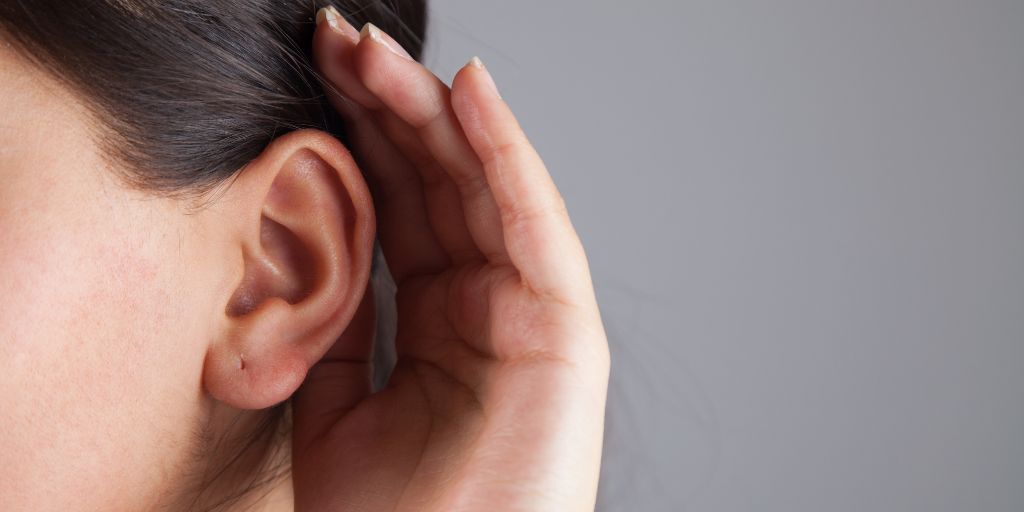
- Ear wax blockage symptoms can include muffled hearing, ear fullness, ringing, itching, discomfort, dizziness, or changes in hearing aid performance.
- Recognizing the pattern of symptoms can help you decide whether you need safe professional ear wax removal, a hearing test, or another type of care.
- Rose Audiology provides ear wax blockage symptom guidance and professional ear wax removal in Chantilly, VA.
What Is an Ear Wax Blockage?
Ear wax, also called cerumen, is a natural substance that helps protect the ear canal. It traps dust, slows the growth of bacteria, and helps keep the skin inside the ear from becoming too dry. In many cases, earwax moves out of the ear on its own.
An ear wax blockage happens when wax builds up, hardens, or becomes impacted in the ear canal. When this occurs, sound may not move through the ear as clearly. The blockage can also create pressure, irritation, or changes in how your hearing aids perform.
Common Ear Wax Blockage Symptoms
Ear wax buildup can feel different from person to person. Some people notice a sudden change after swimming, showering, or wearing earbuds. Others notice symptoms slowly over time.
Common symptoms may include:
- Muffled or reduced hearing
- A plugged, clogged, or full feeling in the ear
- Ear pressure or mild discomfort
- Ringing or buzzing in the ear
- Itching inside the ear canal
- Dizziness or a sense of imbalance
- Ear odor or drainage
- Hearing aid whistling, feedback, or weak sound
- Trouble hearing after using earbuds, earplugs, or hearing aids
These symptoms do not always mean wax is the only cause. Ear infections, middle ear fluid, tinnitus, sudden hearing loss, and other ear conditions can feel similar. That is why persistent or concerning symptoms should be checked by a professional.
Rose Audiology connects you with a trusted audiologist providing professional ear wax removal in Chantilly, VA.
Muffled Hearing From Ear Wax
Muffled hearing is one of the most common ear wax blockage symptoms. You may feel as if people are speaking through a wall, your own voice sounds different, or one ear hears less clearly than the other.
Wax can block sound from traveling through the ear canal to the eardrum. If hearing improves after wax is safely removed, the blockage may have been the main reason sounds seemed dull or distant.
If muffled hearing remains after the ear canal is clear, a hearing evaluation can help determine whether another type of hearing change is present.
Ear Fullness, Pressure, or a Clogged Feeling
Many people describe an ear wax blockage as a feeling of fullness, pressure, or clogging. The ear may feel plugged even if there is no pain. This can happen when wax takes up space in the ear canal or presses against sensitive skin.
Fullness can also happen with allergies, sinus issues, fluid behind the eardrum, or Eustachian tube problems. If the clogged feeling does not improve or comes with pain, drainage, fever, or sudden hearing changes, it should be evaluated.
Ringing, Buzzing, or Tinnitus-Like Sounds
Ear wax can sometimes contribute to ringing, buzzing, or other tinnitus-like sounds. This may happen because the blockage changes how sound enters the ear or because pressure and irritation affect the ear canal.
Tinnitus has many possible causes, so wax removal is not always the full answer. If ringing continues after the ear is clear, a tinnitus evaluation or hearing test may be recommended.
Itching, Irritation, or Ear Discomfort
Wax buildup may irritate the ear canal, especially if the wax is dry, hard, or pushed deeper by cotton swabs, earbuds, or earplugs. Some people notice itching, tenderness, or a mild ache.
Avoid scratching inside the ear canal or inserting objects to remove wax. This can push wax deeper, scrape the skin, or increase the risk of infection.
Dizziness or Balance Changes
Ear wax blockage can sometimes be associated with dizziness or a sense of imbalance, especially if the blockage creates pressure or affects how the ear feels. However, dizziness can also come from inner ear, vestibular, neurological, blood pressure, medication, or other health-related causes.
If dizziness is new, severe, recurring, or paired with sudden hearing changes, it should be evaluated promptly.
Rose Audiology also provides hearing and balance evaluations when symptoms suggest a broader inner ear concern.
Hearing Aid Problems Caused by Ear Wax
People who wear hearing aids may notice ear wax symptoms sooner because hearing devices sit in or near the ear canal. Wax can block the receiver, clog a wax guard, or change the way the device fits.
Possible hearing aid signs include:
- Whistling or feedback
- Weak or distorted sound
- Devices that seem to stop working suddenly
- Domes, earmolds, or receivers with visible wax
- More frequent cleaning or wax guard changes
- Discomfort when inserting the hearing aid
If your hearing aid sounds weak, do not assume the device is broken. The issue may be wax in the device, wax in the ear canal, or both.
Symptoms That Need Prompt Care
Most wax buildup is not an emergency, but some symptoms should be checked quickly. Seek care promptly if you notice:
- Sudden hearing loss
- Severe ear pain
- Drainage, bleeding, or a foul odor from the ear
- Fever or signs of infection
- Significant dizziness or vertigo
- A foreign object in the ear
- Symptoms after ear surgery or eardrum problems
- Earwax blockage symptoms in a child who seems uncomfortable or has trouble hearing
These signs may point to something more than routine wax buildup.
What Not to Do When You Suspect Wax Buildup
It can be tempting to try to clear the blockage at home, but some methods can make symptoms worse.
Avoid:
- Cotton swabs pushed into the ear canal
- Ear candles
- Hairpins, paper clips, or other small objects
- Aggressive flushing without professional guidance
- Using drops if you have ear tubes, a known eardrum hole, drainage, or recent ear surgery, unless a clinician says it is safe
The safest option is to have the ear examined first, especially if symptoms are painful, one-sided, or recurring.
How Professional Ear Wax Removal Helps
Professional ear wax removal begins with a visual check of the ear canal. This helps confirm whether wax is present and whether the eardrum and ear canal look healthy.
Depending on the type and location of wax, removal may involve careful manual tools, gentle suction, or another appropriate clinical method. The goal is to remove the blockage safely while protecting the ear canal and eardrum.
After removal, your provider can help determine whether your symptoms were caused by wax alone or whether a hearing test, tinnitus evaluation, or balance evaluation may be helpful.
When to Schedule a Hearing Test
Ear wax can mimic hearing loss, but it can also hide an underlying hearing change. A hearing test may be recommended if:
- Hearing does not return to normal after wax removal
- You have trouble understanding speech
- You often ask people to repeat themselves
- You struggle more in background noise
- Hearing symptoms have been gradual or long term
- Ringing or dizziness continues after the ear canal is clear
A hearing evaluation can separate a temporary blockage from sensorineural, conductive, or mixed hearing loss.
Frequently Asked Questions About Ear Wax Blockage Symptoms
Can ear wax blockage cause hearing loss?
Yes. Ear wax can cause temporary conductive hearing difficulty when it blocks sound from reaching the eardrum. If hearing does not improve after wax removal, a hearing test can check for another cause.
Can ear wax make one ear feel clogged?
Yes. Wax buildup can affect one ear more than the other, which may create a one-sided clogged or plugged feeling. One-sided symptoms should still be checked if they persist or come with pain, drainage, dizziness, or sudden hearing changes.
Can ear wax cause ringing in the ears?
Ear wax can contribute to ringing or buzzing for some people. If tinnitus continues after wax is removed, the symptom may have another cause and should be evaluated.
How do I know if I need ear wax removal?
You may need ear wax removal if you have muffled hearing, fullness, pressure, itching, hearing aid feedback, or visible wax that does not clear naturally. A professional ear exam can confirm whether wax is the cause.
Can I remove impacted ear wax at home?
Some mild wax may soften with appropriate over-the-counter drops, but impacted wax should be handled carefully. Do not use ear candles or insert objects into the ear canal. Professional removal is the safer choice when symptoms are persistent, painful, or unclear.
Get Clear Answers and Real Relief
Dr. Rose Buchbinder Au.D of Rose Audiology can examine your ears, explain what may be causing your symptoms, and recommend the most appropriate next step based on what is found.
Ear wax blockage can sound like hearing loss and feel like pressure, ringing, or dizziness. The right next step depends on your pattern of symptoms. Sometimes it’s simple wax buildup, and sometimes it’s another ear issue that needs a hearing test or medical follow-up.
If your ear feels clogged, your hearing sounds muffled, or your hearing aid suddenly seems weak, don’t guess.
Schedule an ear exam and professional ear wax removal with Rose Audiology in Chantilly, VA, so you can get a clear diagnosis, safe care, and a plan that actually fixes the problem.